Overview: Veneers are becoming more popular with patients of all ages. This is likely driven by influencers and celebrities showcasing their perfectly straight smiles, which are nearly always achieved through veneer treatment.
Veneers are simply shells of porcelain that we attach to the front of the teeth to reshape the smile. They can make teeth appear more evenly sized, they can close gaps, they can improve the appearance of the alignment and they can make teeth look much whiter. 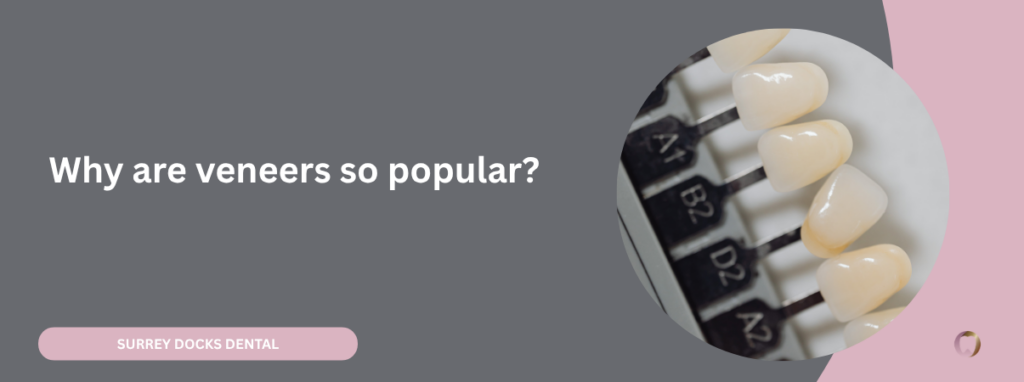
Why are veneers so popular?
In short, this is a one-stop treatment to address multiple imperfections at once. It can replace the need for multiple treatments like orthodontics, teeth whitening and composite bonding.
While this treatment used to be a popular restoration option for older patients hoping to conceal years of wear and tear, younger patients are now opting for veneers to improve their smiles.
Before embarking on any cosmetic dental treatment journey, it’s essential to understand exactly what you are signing up for. Veneers are considered a permanent restoration, which means you’ll have to commit to veneers for the rest of your life once you start treatment.
In this guide, we’re exploring the factors patients need to consider before they can confidently opt for veneer treatment.
Things to consider before veneer treatment
Before starting any treatment, we encourage patients to think about the short-term benefits alongside the long-term impact. Think about the following if you are considering veneers:
The lifetime impact of veneers
As mentioned above, veneers are a permanent restoration. In order to place veneers, we have to remove a layer of the tooth enamel to make space for the veneer. Without this stage, the teeth would look cartoonish and thick.
Once this layer is removed, we cannot replace it, and the veneer will be used to protect the teeth from damage. It’s essential that patients think not only about the immediate impact of their veneers, but also how they will feel about their veneers in 12-15 years when they need to be replaced.
You will not only need to budget for the immediate treatment, but also for subsequent replacement treatments every 12-15 years. There may also be interim repairs to consider if you chip a veneer.
Veneers can’t fix bite alignment issues
Lots of patients turn to veneers as an alternative to orthodontic treatment as they want to achieve a straighter smile. It’s important to remember that veneers won’t correct bite alignment issues, and this might be more important to correct for your long-term oral health.
Bite alignment issues can lead to uneven wear and tear on your teeth along with chronic pain and tension. If you are struggling with alignment problems, veneers might solve the cosmetic problem, but not the underlying issue.
Veneers won’t stand up to bruxism
If you have a history of grinding your teeth at night, veneers are generally a bad idea. The delicate porcelain material won’t withstand nightly grinding, and you could end up losing your restoration.
If you have bruxism, it’s best to address this and get it under control before you start to explore restoration options. Otherwise, you may end up paying to replace and repair veneers long before they should need to be replaced.
Veneers are strong but not indestructible
Patients often aren’t aware that they may need to change some of their habits following veneer treatment. To protect the porcelain from chips and damage, you’ll need to avoid certain habits, including:
- Opening packages with your teeth
- Tearing sellotape with your teeth
- Chewing on ice
- Biting into very hard food items like boiled sweets
Even hard foods like very crusty bread or pizza crusts might prove too much for your veneers. You’ll have to learn how to eat with caution to avoid breaking the veneer or causing it to come loose.
You’ll have to wear temporary veneers to start
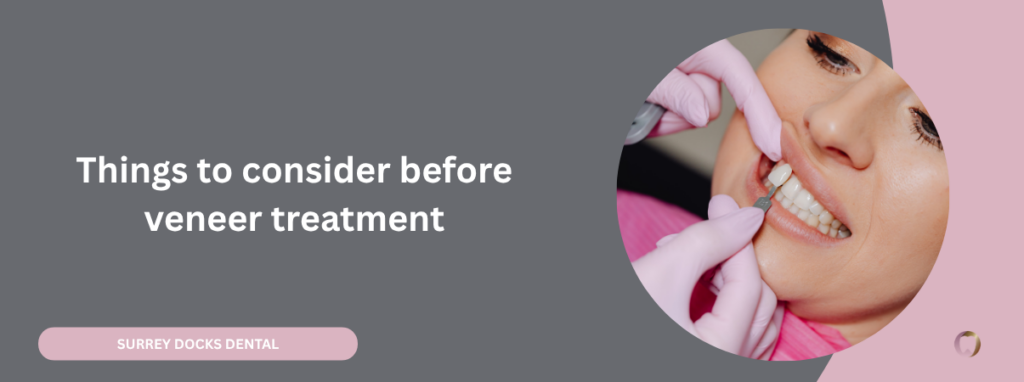
During the fitting process, your dentist will first prepare your teeth and then take imprints and scans to design your veneer. While you wait for this to be made, you’ll wear a fragile temporary veneer to protect your teeth. The entire treatment process from start to finish can take around three weeks, so you need to be prepared for this stage in the treatment journey.

Considering veneers?
If you’re thinking about veneers and want to find out whether they’re right for your smile, our dental team can help. We’ll assess your teeth, discuss your goals and explain the available treatment options, including the long-term considerations of veneers. Get in touch with us today to book a consultation and take the first step towards your new smile.