Overview: Dental anxiety affects many patients and can make routine dental visits feel overwhelming. This article explores common causes of dental fear and offers practical strategies to help nervous patients feel more at ease. With understanding, support, and tailored approaches, even the most anxious individuals can regain confidence in their dental care.
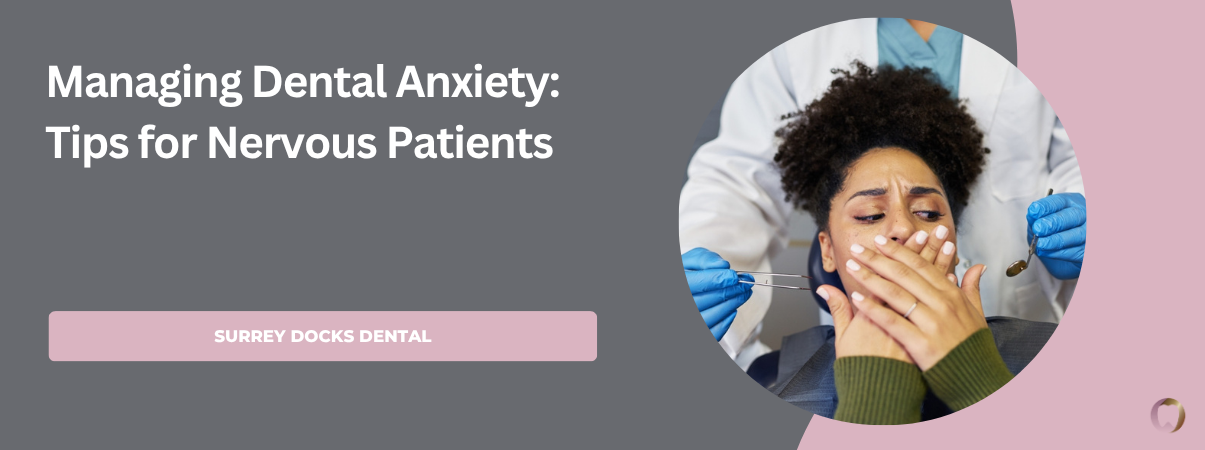
A fear of the dentist is surprisingly common, with around half of UK patients experiencing some level of discomfort during dental appointments. These fears can come from past experiences, feelings of vulnerability, or worries about pain or judgement.
Thankfully, dentistry has evolved significantly, with more practices now prioritising patient comfort and emotional wellbeing. Modern dental teams understand the root causes of dental anxiety and use gentle, supportive approaches to help patients feel safe and informed.
By recognising and addressing your fears, you can take the first step toward a more positive dental experience.

What causes a fear of the dentist?
There are many reasons someone may feel anxious about visiting the dentist, and the cause is not always obvious. Sometimes it’s a specific trigger, while other times it’s a general sense of unease.
Common causes of dental anxiety include:
- Fear of needles, drills or dental pain
- Memories of a bad past experience, often from childhood
- Fear of losing control
- Fear of the unknown
- Worry about being judged for poor oral health
- A strong gag reflex or fear of choking
- Financial concerns about the cost of treatment
Whether your fear is listed above or comes from somewhere else entirely, you are not alone. The right dentist will help you understand your anxiety and guide you through steps to overcome it with compassion and patience.
It’s important to remember that dental teams are here to help—not judge. Whatever your concern may be, there is a supportive way forward.
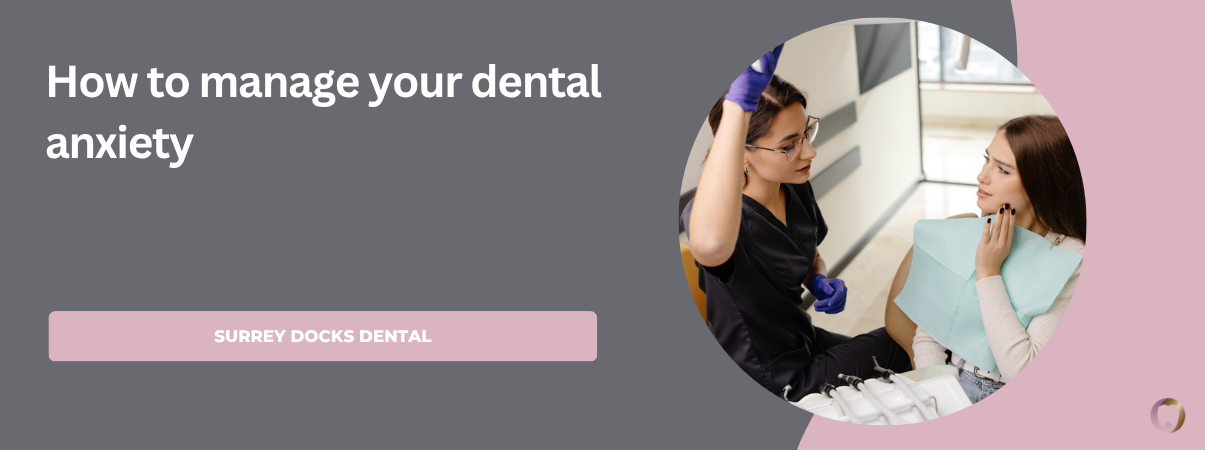
How to manage your dental anxiety
The first and most powerful step toward overcoming dental anxiety is acknowledging it. When you bring your fear out into the open, it becomes easier to understand—and easier for your dental team to support you.
If you’re unsure what exactly triggers your fear, speak to your dentist. You can book a longer appointment, allowing the team to move slowly and pause whenever needed. Some patients prefer detailed explanations of each step, while others feel calmer with distractions such as calming music.
You can also seek support from the wider dental team. For example, patients who feel embarrassed about their oral health may choose to see the dental hygienist first, which often feels less intimidating and helps rebuild confidence before a dental examination.
If financial concerns are adding to your anxiety, our reception team can discuss payment plans to help spread treatment costs. Many patients worry about the cost of treatment before their appointment, but exploring available options can greatly reduce stress.
Common Anxiety Triggers
- Fear of pain, needles or drills
- Past negative dental experiences
- Worry about judgement or embarrassment
Helpful Coping Strategies
- Discussing fears openly with your dentist
- Taking appointments at a slower, more comfortable pace
- Using relaxation tools such as music or breathing exercises
Summary
Dental anxiety is incredibly common, but with the right support, it doesn’t have to get in the way of maintaining good oral health. By identifying your triggers, communicating openly with your dental team, and exploring helpful coping strategies, you can make dental visits more comfortable and stress-free.
Need support with dental anxiety?
Our gentle and understanding team is here to help you feel calm and confident during your dental visits. Learn more about our general dental care or contact us to speak with our friendly team.