Overview: Choosing the right toothpaste can feel overwhelming with countless options all claiming impressive benefits. This guide breaks down what truly matters, what’s optional, and what’s mostly marketing hype. By the end, you’ll know exactly how to choose a toothpaste that supports your oral health without unnecessary expense.
Have you ever stared at the toothpaste aisle wondering which option is best? With so many products making big promises, it’s easy to feel overwhelmed. You’re not alone—choosing the right toothpaste can be confusing for many people.
This guide will help you understand what really matters when choosing toothpaste, what features are optional, and which claims you can safely ignore. With the right knowledge, you can choose confidently and protect your oral health.
Let’s explore the essentials, the optional extras, and the myths surrounding toothpaste choices.
What matters when choosing a toothpaste?
There is one ingredient that truly matters in toothpaste: fluoride. Fluoride protects teeth from decay by strengthening enamel, and it is completely safe to use. There is no need to choose natural or fluoride-free alternatives.
Beyond fluoride, there are a few helpful features depending on your oral health needs:
- Sensitive toothpaste: Ideal if you feel discomfort with hot or cold foods. These formulas help remineralise enamel and reduce sensitivity.
- Gum-care toothpaste: Designed for gum disease, often containing triclosan or other antimicrobial ingredients to reduce inflammation and bleeding.
Other factors to consider
Many toothpaste claims sound impressive, but not all of them deliver meaningful results. For example, whitening ingredients such as charcoal do little to prevent stains. Mild abrasives like bicarbonate of soda may remove surface discolouration, but they won’t affect deeper stains.
Whitening toothpastes can help maintain results after professional whitening, but they aren’t strong enough to whiten teeth on their own.
Effective Toothpaste Features
- Contains fluoride
- Targets sensitivity or gum issues when needed
- Helps remineralise and strengthen enamel
Less Useful or Misleading Claims
- Charcoal for whitening
- Whitening without professional treatment
- “Natural” options without fluoride
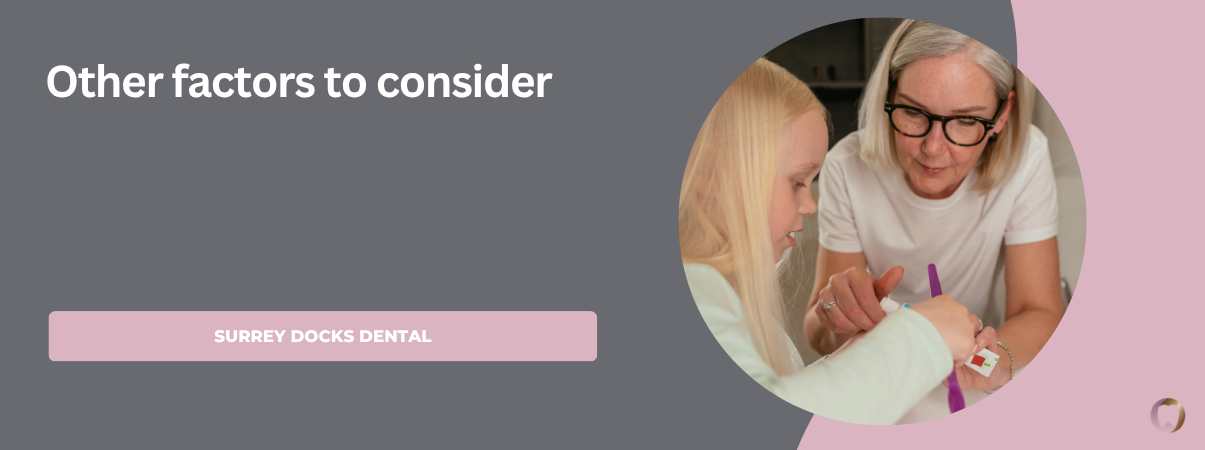
A note on children’s toothpaste
Children benefit from toothpaste designed specifically for younger mouths. Adult toothpaste can taste too strong, while children’s versions use milder mint or fruity flavours such as strawberry or watermelon. The flavour is a matter of preference, but the important thing is that children brush regularly and with fluoride toothpaste.
Some adult brands now offer fruit-flavoured toothpastes too, though most people still prefer a minty-fresh finish after brushing.
Is more expensive better?
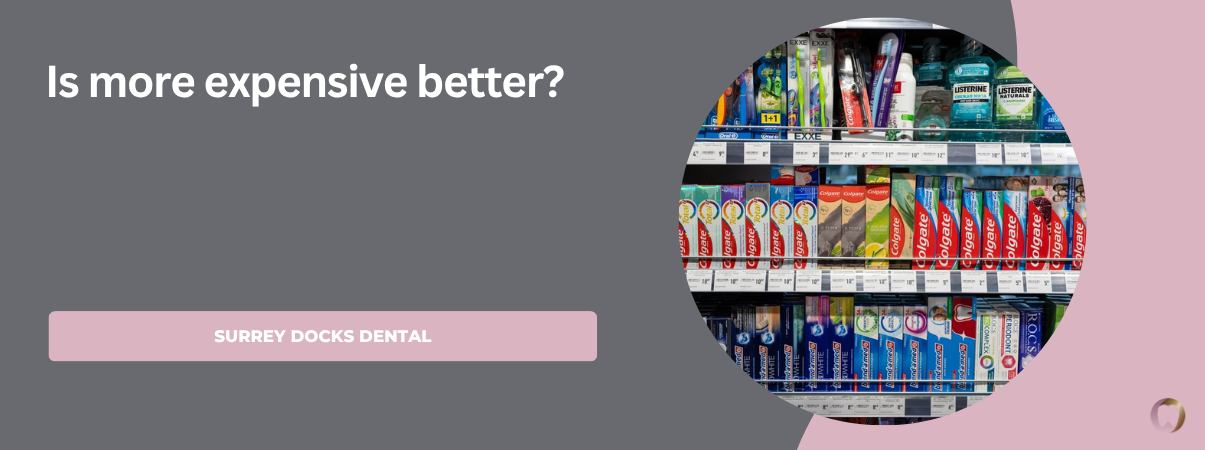
It’s easy to assume that the most expensive toothpaste is the best, but this isn’t the case. The effectiveness of your brushing technique matters far more than the toothpaste itself. Budget brands often provide everything you need for daily oral care.
Specialist toothpastes—such as those for sensitivity or gum disease—may cost more, but you can save money by purchasing them on offer or in bulk. As long as your toothpaste contains fluoride and you enjoy the flavour, it will work perfectly well.
Summary
Choosing toothpaste doesn’t have to be complicated. Focus on fluoride, choose specialty formulas only when necessary, and ignore flashy marketing. A simple, fluoride-rich toothpaste paired with good brushing habits is more than enough to protect your smile and your budget.
Need personalised oral care advice?
Our team can help you choose the right products and habits for a healthier smile. Learn more about our general dental treatments or contact us to speak with our friendly team.