Overview: Dry mouth is a common condition, but when it becomes persistent, it can signal deeper oral or general health issues. This guide explains the causes of dry mouth, the potential consequences if left untreated, and the most effective treatment options. By understanding the underlying triggers, you can take steps to restore moisture, protect your teeth, and improve your overall wellbeing.
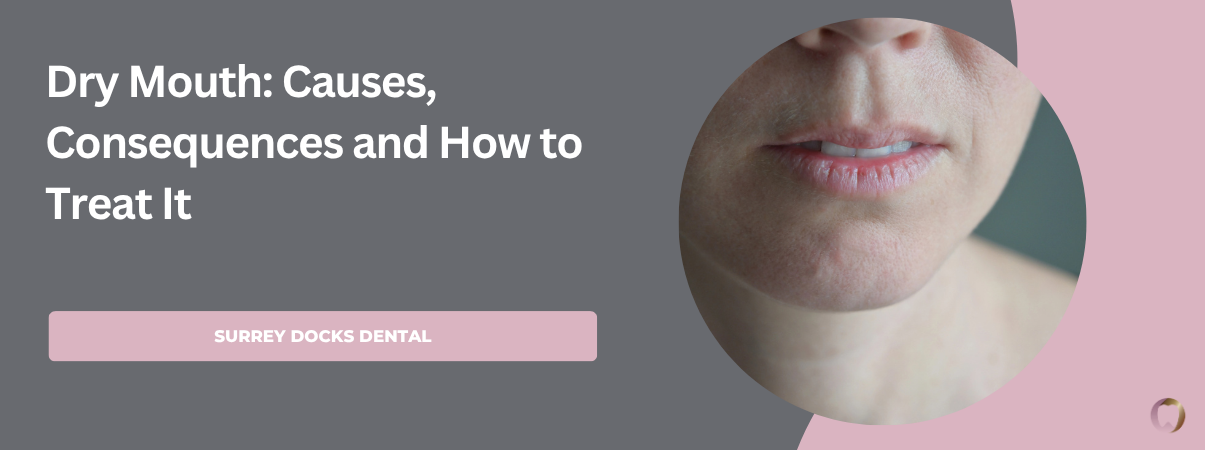
Occasional dry mouth is nothing to worry about, but if you regularly notice that your mouth feels unusually dry, it could indicate an underlying health concern. This isn’t just a dental issue—persistent dry mouth can be linked to broader medical conditions, so it’s important not to ignore it.
Your dentist can help determine the cause of your symptoms and may refer you to your GP if they suspect a wider systemic issue. In this guide, we’ll explore common causes, potential consequences, and effective treatments so you can make an informed decision about your care.
Let’s take a closer look at why dry mouth happens and what you can do about it.
What causes dry mouth?
Dry mouth can be caused by many factors. While mild dehydration is the simplest explanation, ongoing dryness may point to something more complex. Some of the most common causes include:
- Smoking and vaping, which can reduce saliva production.
- Certain medications, including antidepressants and blood pressure drugs.
- Mouth breathing, which dries the oral cavity and increases bacteria levels.
- Anxiety or stress, which can trigger temporary dry mouth.
- Cancer treatments such as chemotherapy or radiotherapy affecting the salivary glands.
- Medical conditions like diabetes that cause dehydration and elevated blood sugar levels.
- Nerve damage in the neck that impacts gland function.
- Ageing, often accompanied by increased medication use and changes in saliva production.
If dry mouth is persistent, consider visiting a dentist or speaking to your GP to uncover the root cause.
What are the potential consequences of dry mouth?
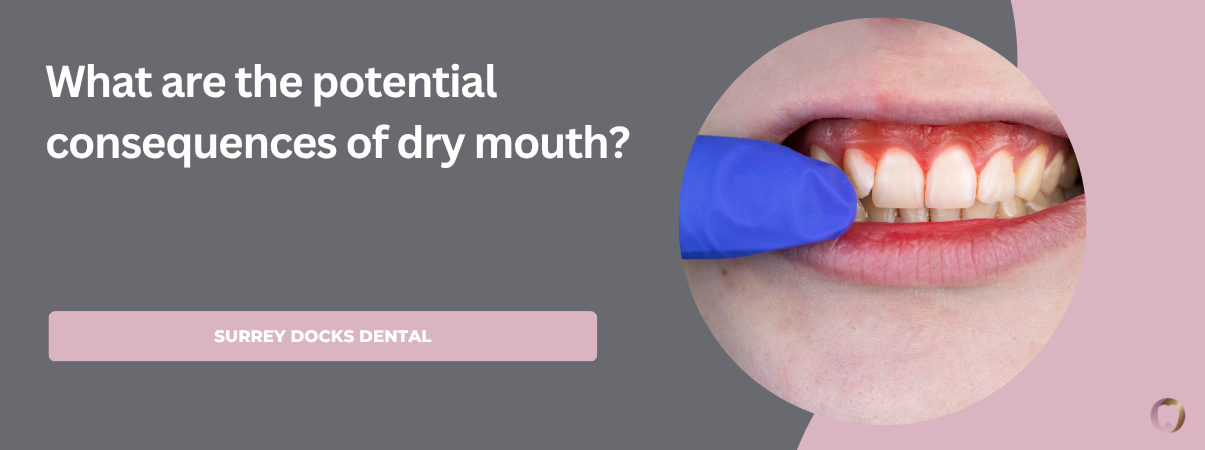
Dry mouth is more than a minor inconvenience—it can significantly impact your oral health. Saliva neutralises acids from food and helps wash away debris. Without enough saliva, bacteria and plaque can build up quickly.
Persistent dry mouth increases your risk of gum disease, as bacteria can irritate the gums and lead to inflammation. For individuals with diabetes, this inflammation can raise blood sugar levels and make diabetes harder to manage.
Addressing dry mouth early is essential, as it may signal an underlying medical condition that requires treatment.
Common Causes of Dry Mouth
- Dehydration or mouth breathing
- Medications and cancer treatments
- Smoking, vaping, or anxiety
- Medical conditions such as diabetes
Consequences if Untreated
- Increased plaque and bacteria buildup
- Higher risk of gum disease
- Bad breath and tooth decay
- Complications for existing health conditions
What is the treatment for dry mouth?
The first step is determining what is causing your symptoms. Treating the underlying issue is essential—especially if a medical condition is involved.
If medication is the cause, do not stop taking it without guidance from your GP. Instead, your dentist or doctor may suggest supportive treatments to ease symptoms.
Common treatments for dry mouth include:
- Staying hydrated. Drinking enough water and avoiding dehydrating drinks like caffeine can make a big difference.
- Lifestyle changes. Quitting smoking or vaping can significantly improve saliva production—and your overall health.
- Chewing gum. Sugar-free gum stimulates saliva and can reduce bad breath and gum disease risk.
- Using a humidifier at night. This is especially helpful for those who breathe through their mouth while sleeping.
- Switching to alcohol-free mouthwash. Alcohol-based products can worsen dryness, so an alcohol-free alternative is better for long-term use.
Final thoughts on dry mouth
Dry mouth is a common condition with many possible causes, some of which may require medical attention. Determining the underlying issue is the key to effective treatment. If you’re concerned about persistent dryness, book an appointment with our team today. We’re here to help you protect your oral and overall health.
Summary
Persistent dry mouth can lead to gum disease, tooth decay, and complications with other health conditions. By understanding the causes and exploring targeted treatments—from hydration to lifestyle changes—you can restore comfort and safeguard your oral health.
Struggling with persistent dry mouth?
Our dental team can help diagnose the cause and recommend effective solutions. Learn more about our oral health services or contact us to speak with our friendly team.