Overview: This guide explores how pregnancy affects oral health, why these changes occur, and what expectant mothers can do to protect their teeth and gums. You’ll learn about the risks associated with hormonal shifts, gestational diabetes, and morning sickness, as well as practical steps to maintain strong oral hygiene throughout pregnancy. Understanding these changes can help safeguard both maternal and infant health.
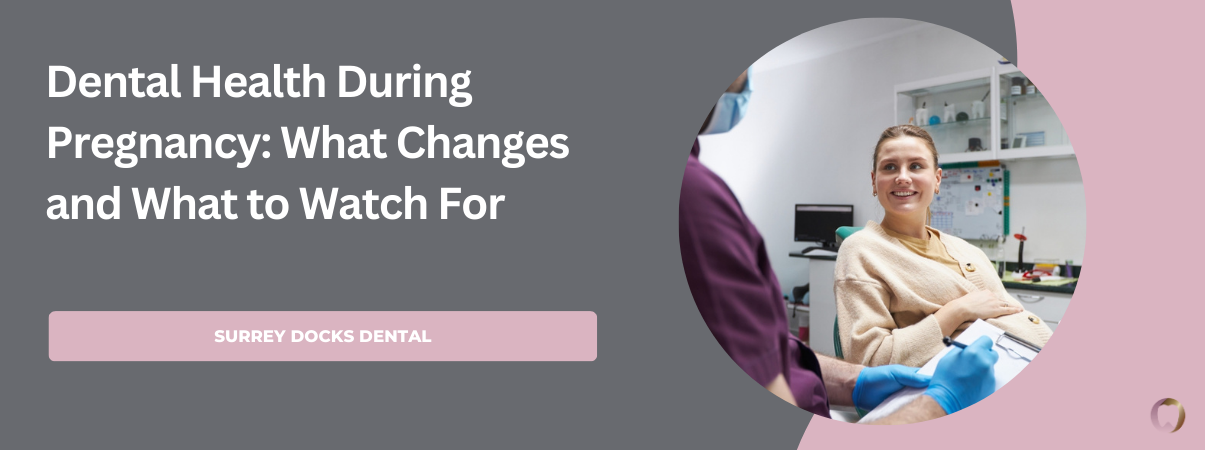
Pregnancy can be a scary time, with so many changes happening in your life and in your body. One often overlooked area is oral health — and this is concerning, as a mother’s oral health during pregnancy can influence birth weight and the likelihood of pre-term labour.
Understanding how pregnancy affects your teeth and gums can help safeguard your oral health, your wider well-being, and your baby’s health. In this guide, we explore the most common dental changes during pregnancy and how to protect against them.
As you move through pregnancy, staying informed will help you feel confident about maintaining your oral health during each trimester.
Pregnancy and dental health
With so much going on during pregnancy — and many medical checkups to attend — oral health can sometimes be overlooked. Unfortunately, pregnancy has a significant impact on the health of your teeth and gums, and your oral health can also influence your child’s health.
Expectant mothers are more likely to develop gestational diabetes, which increases glucose levels in saliva and may trigger inflammation in the gum tissue. This can increase the risk of gum disease, which is both treatable and preventable.
How hormones affect oral health
Pregnancy-related hormonal changes can also affect oral health. Fluctuating hormone levels may make gums more prone to inflammation, increase the risk of tooth decay, and even cause teeth to feel slightly mobile. Morning sickness can also contribute to enamel erosion due to repeated exposure to stomach acid.
This is why regular checkups are essential throughout pregnancy. Dental visits are safe and beneficial, reducing the risk of dental complications that could contribute to pre-term labour or low birth weight.
How can pregnant mothers care for their oral health?
You already have a lot to manage during pregnancy, but caring for your oral health doesn’t have to be complicated. Simple, consistent steps can help protect your teeth and gums throughout your pregnancy journey.
Visit the dentist for a checkup
Book a dental checkup early in your pregnancy — even if you have no pain or symptoms. Inform your dentist that you are expecting so they can tailor your care and recommend preventive measures to help you avoid issues later in pregnancy.
Create a travel oral care kit
Morning sickness can strike at any time, so keeping a small oral care kit with you can help protect your teeth from acid erosion. Brushing after nausea episodes can help minimise enamel wear and keep your breath fresh.
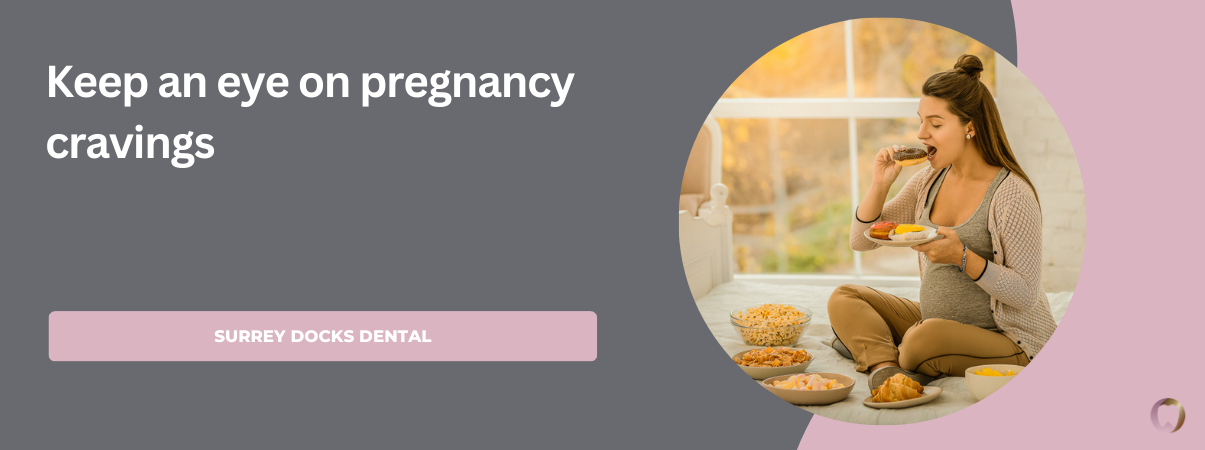
Keep an eye on pregnancy cravings
Some cravings may be more harmful to your oral health than others. High sugar or high starch snacks, frequent grazing, and chewing ice are common culprits. These habits may be unavoidable at times, but your dentist can support you with tailored advice if needed.
Learn to spot the signs of damage
Common signs of dental issues during pregnancy include:
- Gums that are red or inflamed
- Gums that appear to swell over the tooth surface
- Gums that bleed when brushing
- Teeth that feel loose
- Bad breath
If you notice any of these symptoms, visit your dentist promptly. Early treatment can limit or reverse damage and prevent long-term complications.
Many women find that pregnancy-related changes to oral health resolve naturally after giving birth.
Summary
Pregnancy can significantly impact your oral health, but with awareness and proactive care, you can protect both yourself and your baby. Regular dental visits, mindful hygiene habits, and understanding cravings all play a vital role in maintaining healthy teeth and gums throughout pregnancy.
Book a Pregnancy-Safe Dental Checkup
Maintain your oral health during pregnancy with expert support — learn more about our general dental care or contact us to speak with our friendly team.